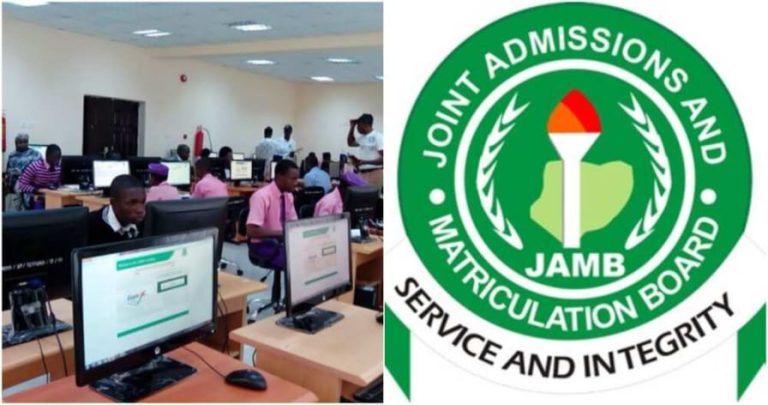
How to Reduce Examination Malpractice in Nigeria
Examination malpractice in Nigeria has become one of the biggest threats to the education system. Many students, teachers, and even institutions are affected by examination malpractice in Nigeria, and the consequences go far beyond the classroom.
Examination malpractice in Nigeria reduces the value of certificates, weakens trust in education, and produces graduates who are not fully prepared for real life challenges.

Requirements for Maritime Academy Admission:
Requirements for College of Education Admission
What Happens If You Fail WAEC

How to Get Admission into UNILORIN
JAMB Age Limit Explained

JAMB Subject Combination for Business Administration
Reports show that the level of examination malpractice in Nigeria has been very high, with some studies indicating that a large percentage of candidates have been involved in one form of malpractice or another.
If Nigeria must build a strong education system, then reducing examination malpractice in Nigeria must be treated as a serious national priority.
This guide explains in detail the causes, effects, and most importantly, practical ways to reduce examination malpractice in Nigeria using proven strategies that work.
Understanding Examination Malpractice in Nigeria
Before we talk about how to reduce examination malpractice in Nigeria, it is important to understand what it really means.
Examination malpractice in Nigeria refers to any illegal or dishonest behavior before, during, or after an examination with the aim of gaining unfair advantage.
Common examples include:
- Copying from other students
- Bringing unauthorized materials into the exam hall
- Impersonation
- Bribing invigilators
- Leaking exam questions
- Using mobile phones to cheat
These practices have become widespread and are now seen by some students as normal, which is a major problem.
Major Causes of Examination Malpractice in Nigeria
To effectively reduce examination malpractice in Nigeria, we must address the root causes. Below are the key reasons why examination malpractice in Nigeria continues to grow.
1. Poor Preparation by Students
Many students do not prepare well for exams. When exams approach, fear sets in, and they look for shortcuts.
Poor study habits, lack of discipline, and procrastination are major contributors. When students feel unprepared, examination malpractice in Nigeria becomes an easy option.
2. Pressure to Succeed at All Costs
In Nigeria, success is often measured by grades and certificates. This creates intense pressure on students to pass exams by any means.
Many students believe that failure is not an option, which pushes them into examination malpractice in Nigeria.
3. Corruption in the Education System
Some teachers and exam officials accept bribes to allow cheating. This weakens the system and encourages more malpractice.
Corruption plays a major role in sustaining examination malpractice in Nigeria because offenders are not punished.
4. Weak Enforcement of Rules
Rules against cheating exist, but enforcement is often weak. In many schools, students cheat openly without consequences.
When there are no strict punishments, examination malpractice in Nigeria continues to grow.
5. Overcrowded Examination Centers
Large numbers of students in small exam halls make supervision difficult. Invigilators cannot monitor everyone effectively.
This creates opportunities for cheating and increases examination malpractice in Nigeria.
6. Parental Influence
Some parents support or even encourage their children to cheat. They may pay for leaked questions or help arrange assistance.
This negative influence strengthens examination malpractice in Nigeria.
7. Misuse of Technology
Mobile phones, smart devices, and social media are now used to cheat during exams.
Technology has made examination malpractice in Nigeria more advanced and harder to detect.
8. Poor Teaching and Learning Environment
Lack of qualified teachers, poor facilities, and outdated materials affect learning.
When students do not understand what they are taught, they turn to examination malpractice in Nigeria as a survival strategy.
Effects of Examination Malpractice in Nigeria
Reducing examination malpractice in Nigeria is important because of its serious consequences.
1. Production of Incompetent Graduates
Students who cheat do not truly learn. This leads to graduates who lack skills and knowledge.
2. Loss of Trust in Certificates
Employers begin to doubt Nigerian certificates because they cannot be sure of their authenticity.
3. Increase in Corruption
Students who cheat in school are more likely to engage in corruption later in life.
4. Damage to National Reputation
Examination malpractice in Nigeria affects how the country is viewed globally.
5. Discouragement of Hardworking Students
Honest students feel cheated when others succeed through malpractice.
How to Reduce Examination Malpractice in Nigeria
Now let us focus on the most important part. Below are practical and effective ways to reduce examination malpractice in Nigeria.
1. Strengthen Examination Supervision
Proper supervision is one of the most effective ways to reduce examination malpractice in Nigeria.
Key Actions:
- Increase the number of trained invigilators
- Monitor exam halls closely
- Use external supervisors for fairness
When supervision is strong, students are less likely to cheat.
2. Use Technology to Prevent Cheating
Technology can be used to fight examination malpractice in Nigeria.
Examples:
- CCTV cameras in exam halls
- Biometric verification to prevent impersonation
- Computer based testing systems
- AI monitoring tools
Advanced systems can detect unusual behavior and reduce cheating.
3. Enforce Strict Punishments
There must be clear and serious consequences for offenders.
Suggested Penalties:
- Cancellation of results
- Suspension or expulsion
- Legal action for severe cases
Strict punishment will discourage examination malpractice in Nigeria.
4. Improve Teaching Quality
Better teaching leads to better understanding, which reduces the need to cheat.
Solutions:
- Train teachers regularly
- Provide modern teaching materials
- Use practical learning methods
When students understand their subjects, they rely less on examination malpractice in Nigeria.
5. Reduce Overcrowding in Exam Halls
Exam centers should not be overcrowded.
Steps:
- Use more centers
- Space students properly
- Limit the number of candidates per hall
This makes monitoring easier and reduces malpractice.
6. Promote a Culture of Honesty
Students must be taught the value of integrity.
Ways to Achieve This:
- Include ethics education in school curriculum
- Reward honest behavior
- Share real life consequences of cheating
A strong moral culture can reduce examination malpractice in Nigeria.
7. Engage Parents and Communities
Parents play a major role in shaping student behavior.
What Parents Should Do:
- Encourage hard work
- Avoid supporting cheating
- Monitor their children’s study habits
Community awareness can help reduce examination malpractice in Nigeria.
8. Reduce Over Dependence on Exams
Nigeria places too much emphasis on exams.
Alternative Approaches:
- Continuous assessment
- Project based evaluation
- Practical testing
This reduces pressure and lowers examination malpractice in Nigeria.
9. Improve School Infrastructure
Better facilities improve learning outcomes.
Needed Improvements:
- Well equipped classrooms
- Functional libraries
- Access to digital learning tools
When students learn effectively, they avoid examination malpractice in Nigeria.
10. Reform Examination Bodies
Examination bodies must be transparent and accountable.
Key Reforms:
- Secure question paper handling
- Reduce leaks
- Improve monitoring systems
Better management can significantly reduce examination malpractice in Nigeria.
11. Address Societal Pressure
Society must stop valuing certificates over knowledge.
Solutions:
- Promote skill based education
- Encourage entrepreneurship
- Recognize talent beyond academics
This reduces the desperation that leads to examination malpractice in Nigeria.
12. Provide Student Support Systems
Students need help, not pressure.
Support Systems:
- Academic counseling
- Mentorship programs
- Extra lessons for struggling students
Support reduces fear and lowers examination malpractice in Nigeria.
Role of Government in Reducing Examination Malpractice in Nigeria
The government has a major role to play.
Responsibilities:
- Fund education properly
- Enforce laws
- Monitor schools
- Invest in technology
Strong policies can reduce examination malpractice in Nigeria at a national level.
Role of Teachers in Reducing Examination Malpractice in Nigeria
Teachers are key players.
What Teachers Should Do:
- Teach effectively
- Discourage cheating
- Lead by example
- Report malpractice cases
Teachers can influence students positively.
Role of Students in Reducing Examination Malpractice in Nigeria
Students must take responsibility.
Student Actions:
- Study consistently
- Avoid shortcuts
- Report cheating
- Build self confidence
Students are central to solving examination malpractice in Nigeria.
Future of Education Without Examination Malpractice in Nigeria
If examination malpractice in Nigeria is reduced:
- Certificates will regain value
- Graduates will be competent
- Employers will trust qualifications
- National development will improve
A strong education system leads to a strong nation.
Conclusion
Reducing examination malpractice in Nigeria is not the responsibility of one group alone. It requires collective effort from students, teachers, parents, government, and society.
Examination malpractice in Nigeria can be reduced through strict enforcement, better teaching, use of technology, and a strong culture of honesty. The problem is serious, but it is not impossible to solve.
If the right steps are taken consistently, Nigeria can build an education system where success is based on knowledge, hard work, and integrity.