Challenges of Education System in Nigeria: Causes, Effects, and Practical Solutions
The challenges of education system in Nigeria remain one of the most critical issues affecting national development, economic growth, and social stability.
The challenges of education system in Nigeria are complex, deeply rooted, and interconnected, ranging from poor funding to inadequate infrastructure and insecurity.
How to Prepare for WAEC Exam in One Month

Subjects Needed for Medicine in JAMB

How to Get Education Loan in Nigeria

How to Apply for Canadian Student Visa from Nigeria

How to Check Your JAMB Admission Status for 2026/2027

Difference Between JAMB and Post UTME
Understanding the challenges of education system in Nigeria is essential for policymakers, educators, parents, and students who want to see meaningful change.
In this detailed guide, you will learn about the major challenges of education system in Nigeria, their causes, real-life impact, and practical solutions that can improve the sector.
This article is written in simple English, expert tone, and backed by recent data to give you a clear and trustworthy understanding.
Overview of Education in Nigeria
Education in Nigeria is structured into three main levels:
- Primary education
- Secondary education
- Tertiary education
Despite having a large population and strong potential, the system continues to struggle. Nigeria has one of the highest numbers of out-of-school children globally, with about 10.5 million children not attending school . This alone shows how serious the challenges of education system in Nigeria have become.
Major Challenges of Education System in Nigeria
1. Poor Funding of Education
One of the biggest challenges of education system in Nigeria is poor funding. Education requires consistent investment, but the sector often receives a small share of the national budget.
Studies show that Nigeria allocates far less than the recommended percentage for education, sometimes below 7% of the national budget . This low funding leads to many other problems such as:
- Lack of infrastructure
- Poor teacher salaries
- Shortage of learning materials
- Limited research opportunities
Poor funding is often described as the root of most challenges of education system in Nigeria because it affects every part of the sector.
2. Inadequate Infrastructure
Another major challenge of education system in Nigeria is poor infrastructure. Many schools lack basic facilities such as:
- Classrooms
- Libraries
- Laboratories
- Toilets
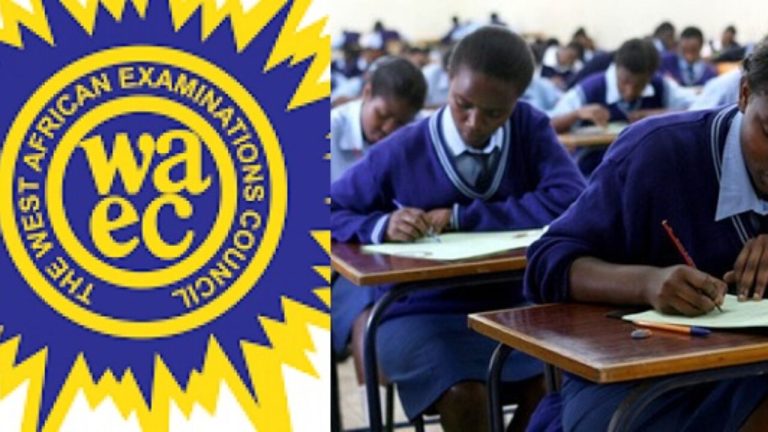
In some areas, students learn under trees or in damaged buildings. Overcrowded classrooms are common, which affects learning quality .
When students do not have a proper learning environment, their ability to understand and perform well drops significantly.
3. Shortage of Qualified Teachers
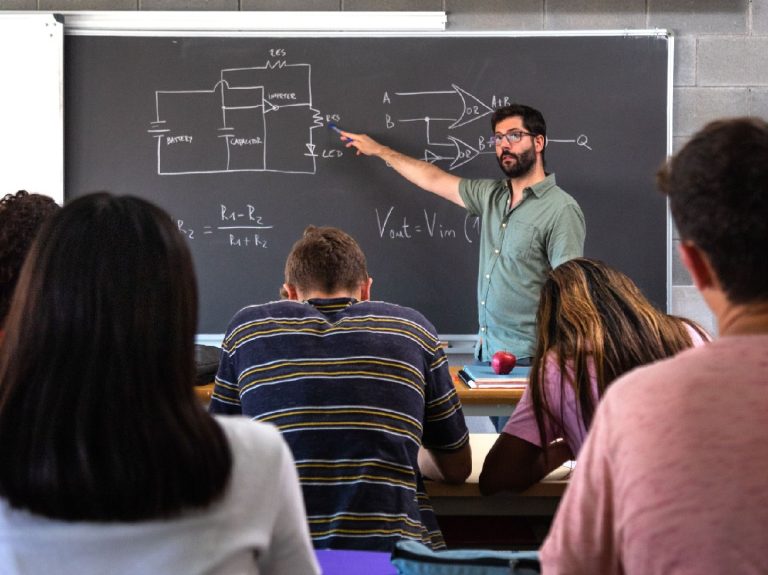
Teacher shortage is another serious issue among the challenges of education system in Nigeria. Many schools do not have enough qualified teachers, especially in rural areas.
This leads to:
- Overcrowded classrooms
- Poor teaching quality
- Limited student attention
In addition, low salaries and poor working conditions reduce teacher motivation. Many skilled teachers leave the profession or move abroad for better opportunities.
4. Out-of-School Children Crisis
The high number of out-of-school children is one of the most alarming challenges of education system in Nigeria.
Nigeria accounts for a large percentage of children not attending school globally . Reasons include:
- Poverty
- Cultural beliefs
- Child labor
- Insecurity
This issue affects the country’s future workforce and increases poverty levels.
5. Poverty and High Cost of Education
Even though basic education is officially free, hidden costs make it difficult for many families.
Parents still pay for:
- Uniforms
- Books
- Transportation
- Examination fees
For low-income families, these costs are too high, leading to school dropouts. Poverty is therefore a key factor in the challenges of education system in Nigeria.
6. Insecurity and Conflict
Insecurity is a growing problem affecting education in Nigeria. Some regions face:
- School attacks
- Kidnapping of students
- Violence and insurgency
These issues force schools to close and discourage parents from sending children to school. Education cannot thrive in an unsafe environment.
7. Poor Implementation of Education Policies
Nigeria has many good education policies, but poor implementation remains a major challenge.
Research shows that policies often fail due to:
- Corruption
- Political instability
- Lack of accountability
This gap between policy and action is one of the hidden challenges of education system in Nigeria.
8. Examination Malpractice
Examination malpractice is another serious issue. It includes cheating, leaked questions, and result manipulation.
This problem leads to:
- Loss of credibility in certificates
- Poor academic standards
- Unqualified graduates
When students succeed through cheating, the education system loses its value.
9. Technological Gap
Technology is important in modern education, but many Nigerian schools lack access to digital tools.
Challenges include:
- No computers
- Poor internet access
- Lack of digital skills
This creates a gap between Nigerian students and their global counterparts. The technological gap is a growing concern among the challenges of education system in Nigeria.
10. Overcrowded Classrooms
Overcrowding is common in many public schools. A single classroom may contain over 60 students.
This leads to:
- Reduced teacher effectiveness
- Limited student participation
- Poor learning outcomes
Overcrowding is directly linked to poor funding and lack of infrastructure.
11. Inequality in Access to Education
Access to education is not equal across Nigeria.
Urban areas often have better schools, while rural areas suffer from:
- Lack of teachers
- Poor facilities
- Limited resources
Gender inequality also plays a role, especially in northern regions where many girls do not attend school .
12. Corruption in the Education Sector
Corruption is one of the most damaging challenges of education system in Nigeria.
It affects:
- Allocation of funds
- Recruitment of teachers
- School management
Funds meant for development are often misused, leaving schools in poor condition.
13. Poor Quality of Education
Even when students attend school, the quality of education is often low.
Reports show that a large percentage of children lack basic literacy and numeracy skills .
This means many students graduate without essential knowledge and skills.
14. Frequent Strikes
Strikes are common in Nigeria’s education system, especially in universities.
Causes include:
- Unpaid salaries
- Poor working conditions
- Government disputes
Strikes disrupt academic calendars and delay student progress.
15. Weak Curriculum and Skill Gap
The curriculum in many schools is outdated and does not match current job market needs.
Students often graduate without practical skills, leading to unemployment. This mismatch is one of the long-term challenges of education system in Nigeria.
Effects of Challenges of Education System in Nigeria
The challenges of education system in Nigeria have wide-ranging effects on individuals and society.
1. High Unemployment Rate
Poor education leads to lack of skills, making it hard for graduates to find jobs.
2. Increased Poverty
Without education, people have limited income opportunities, increasing poverty levels.
3. Slow Economic Growth
Education drives development. Weak education slows national progress.
4. Rise in Crime
Lack of education and unemployment can increase crime rates.
5. Brain Drain
Talented students and teachers leave Nigeria for better opportunities abroad.
Solutions to Challenges of Education System in Nigeria
1. Increase Education Funding
Government should allocate more funds to education to improve infrastructure and resources.
2. Improve Teacher Welfare
Better salaries and working conditions will attract and retain qualified teachers.
3. Invest in Infrastructure
Schools need modern classrooms, libraries, and laboratories.
4. Promote Digital Education
Providing internet access and digital tools will improve learning.
5. Strengthen Policy Implementation
Government must ensure that education policies are properly executed.
6. Address Insecurity
Improving security will make schools safer for students and teachers.
7. Reduce Cost of Education
Scholarships and free learning materials can help poor families.
8. Update Curriculum
Education should focus on practical skills and modern knowledge.
Future of Education in Nigeria
Despite the challenges of education system in Nigeria, there is hope. With the right policies, investment, and commitment, the system can improve.
Key areas for future growth include:
- Digital learning
- Skill-based education
- Public-private partnerships
If these areas are properly developed, Nigeria can build a strong and effective education system.
Conclusion
The challenges of education system in Nigeria are serious but not impossible to solve. From poor funding to insecurity, each issue plays a role in weakening the system. However, with proper planning, accountability, and investment, these challenges can be addressed.
Education is the foundation of any nation. Solving the challenges of education system in Nigeria will not only improve individual lives but also drive national development.