How to Teach Effectively in Nigerian Schools
Teaching effectively in Nigerian schools is one of the most important responsibilities any educator can have. How to teach effectively in Nigerian schools is not just about standing in front of a class and delivering lessons.
It involves using the right methods, understanding students’ needs, and creating an environment where learning becomes meaningful and lasting.
Nigeria’s education system faces real challenges such as overcrowded classrooms, limited resources, and diverse student backgrounds. Yet, teachers who understand how to teach effectively in Nigerian schools can still achieve excellent results.

JAMB Inter-University Transfer (Local Within Nigeria)
NECO Certificate Acceptance Abroad: What International Universities Really Think
How to Check NECO Result with Token: Complete Step-by-Step Guide
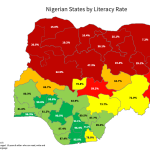
Nigeria Literacy Rate

The Real Reasons Behind Mass Failure in WAEC and NECO Exams

How to Check Your JAMB Admission Status on CAPS
Research shows that using active learning, student-centered teaching, and engaging strategies improves learning outcomes and helps students think critically and creatively .
In this detailed guide, you will learn practical, proven, and easy-to-follow strategies on how to teach effectively in Nigerian schools, whether you teach in a public or private school, primary or secondary level.
Understanding the Nigerian Classroom Environment
Before you master how to teach effectively in Nigerian schools, you must understand the reality of the classroom.
1. Large Class Sizes
Many Nigerian schools have overcrowded classrooms. This makes it difficult to give individual attention.
2. Limited Teaching Resources
Some schools lack textbooks, digital tools, or laboratory equipment.
3. Diverse Learning Abilities
Students learn at different speeds and in different ways.
4. Exam-Oriented System
Many schools focus heavily on exams, sometimes at the expense of real understanding.
Because of these challenges, teachers must be flexible and creative. The key to how to teach effectively in Nigerian schools is adapting your teaching style to fit your environment.
Why Effective Teaching Matters in Nigerian Schools
Understanding how to teach effectively in Nigerian schools is important because:
- It improves student performance
- It builds confidence in learners
- It develops critical thinking skills
- It prepares students for real-life situations
Studies show that effective teaching goes beyond academic success and helps students become well-rounded individuals who contribute positively to society .
Core Principles of How to Teach Effectively in Nigerian Schools
To truly master how to teach effectively in Nigerian schools, every teacher must follow these key principles:
1. Student-Centered Learning
Focus on students, not just the teacher. Allow students to participate actively.
2. Engagement
Students learn better when they are involved in the lesson.
3. Clarity
Explain concepts in simple and clear language.
4. Consistency
Maintain routines and structured lessons.
5. Adaptability
Adjust your teaching methods based on student needs.
Best Teaching Methods for Nigerian Schools
1. Active Learning Method
One of the best ways to understand how to teach effectively in Nigerian schools is by using active learning.
Active learning means students are involved in the lesson through:
- Group discussions
- Class activities
- Problem-solving tasks
This method improves understanding and memory retention .
Example
Instead of explaining a topic for 40 minutes, ask students questions, let them discuss in groups, and present answers.
2. Differentiated Instruction
Every student is different. Some learn fast, others need more time.
Differentiated teaching means:
- Giving extra help to struggling students
- Challenging advanced learners
- Using different teaching styles
This approach ensures no student is left behind .
3. Activity-Based Learning
Activity-based learning is one of the most effective ways to apply how to teach effectively in Nigerian schools.
Research shows students perform better when they learn through activities instead of only listening .
Examples
- Science experiments
- Role-playing
- Classroom demonstrations
4. Inquiry-Based Learning
This method encourages students to ask questions and explore answers.
Instead of giving answers directly:
- Ask questions
- Let students think
- Guide them to solutions
This builds critical thinking skills.
5. Project-Based Learning
Students work on real-life projects.
Example
- Build a simple business plan
- Create a science model
Project-based learning helps students apply knowledge in practical ways .
6. Use of Technology in Teaching
Even in low-resource settings, simple technology can improve teaching.
Examples
- Mobile phones for research
- Educational videos
- Simple presentations
Technology makes lessons more engaging and interactive .
Classroom Management: A Key to Effective Teaching
You cannot master how to teach effectively in Nigerian schools without proper classroom management.
1. Set Clear Rules
Students should know what is expected.
2. Establish Routine
Start every lesson with:
- Greeting
- Recap
- New topic
Clear routines reduce confusion and misbehavior .
3. Positive Reinforcement
Reward good behavior and effort.
4. Maintain Discipline with Respect
Avoid harsh punishment. Use fair and consistent discipline.
Creating a Positive Learning Environment
A good classroom environment is essential for how to teach effectively in Nigerian schools.
Key Elements
- Respect between teacher and students
- Safe and inclusive environment
- Encouragement and support
Students learn better when they feel safe and valued .
How to Engage Students Effectively
Student engagement is at the heart of how to teach effectively in Nigerian schools.
Strategies to Improve Engagement
1. Ask Questions Frequently
Keep students involved.
2. Use Stories
Stories make lessons easier to understand.
3. Include Games
Educational games make learning fun.
4. Group Work
Encourages teamwork and participation.
Lesson Planning for Effective Teaching
Good lesson planning is essential for how to teach effectively in Nigerian schools.
Steps to Create a Lesson Plan
- Define learning objectives
- Prepare teaching materials
- Plan activities
- Include assessment methods
A well-planned lesson makes teaching easier and more effective.
Assessment and Feedback
Assessment helps you measure progress.
Types of Assessment
- Classwork
- Tests
- Quizzes
- Oral questions
Feedback Tips
- Be constructive
- Be specific
- Encourage improvement
Regular feedback improves learning outcomes.
Handling Challenges in Nigerian Schools
Teaching in Nigeria comes with challenges, but you can still succeed.
1. Large Classrooms
- Use group work
- Assign class leaders
2. Lack of Resources
- Use local materials
- Be creative
3. Student Motivation Issues
- Encourage participation
- Recognize effort
The Role of the Teacher in Effective Teaching
To master how to teach effectively in Nigerian schools, teachers must:
- Be role models
- Be patient
- Be passionate
- Continuously learn
Teaching is not just a job, it is a responsibility that shapes the future.
Continuous Professional Development
Teachers must keep improving.
Ways to Improve
- Attend workshops
- Learn new teaching methods
- Collaborate with other teachers
Continuous learning helps teachers stay effective and relevant .
Modern Trends in Teaching Nigerian Schools
Education is changing, and teachers must adapt.
1. Microlearning
Short lessons help students focus better .
2. Blended Learning
Combining traditional teaching with digital tools.
3. Skills-Based Learning
Focus on real-life skills, not just theory.
Common Mistakes to Avoid
When learning how to teach effectively in Nigerian schools, avoid these mistakes:
- Talking too much without student participation
- Ignoring slow learners
- Poor lesson planning
- Lack of classroom control
Practical Daily Teaching Routine
Here is a simple structure:
- Start with revision
- Introduce new topic
- Explain clearly
- Engage students with activities
- Ask questions
- Give assignments
This routine improves teaching effectiveness.
Final Thoughts
Learning how to teach effectively in Nigerian schools is not about using one method. It is about combining different strategies to meet students’ needs.
Effective teaching requires:
- Planning
- Creativity
- Patience
- Continuous improvement
Despite the challenges in Nigerian schools, teachers can still deliver high-quality education by using the right methods. When teachers apply active learning, manage classrooms well, and engage students, learning becomes meaningful and impactful.
If you truly understand how to teach effectively in Nigerian schools, you will not only improve student performance but also shape future leaders who can transform society.